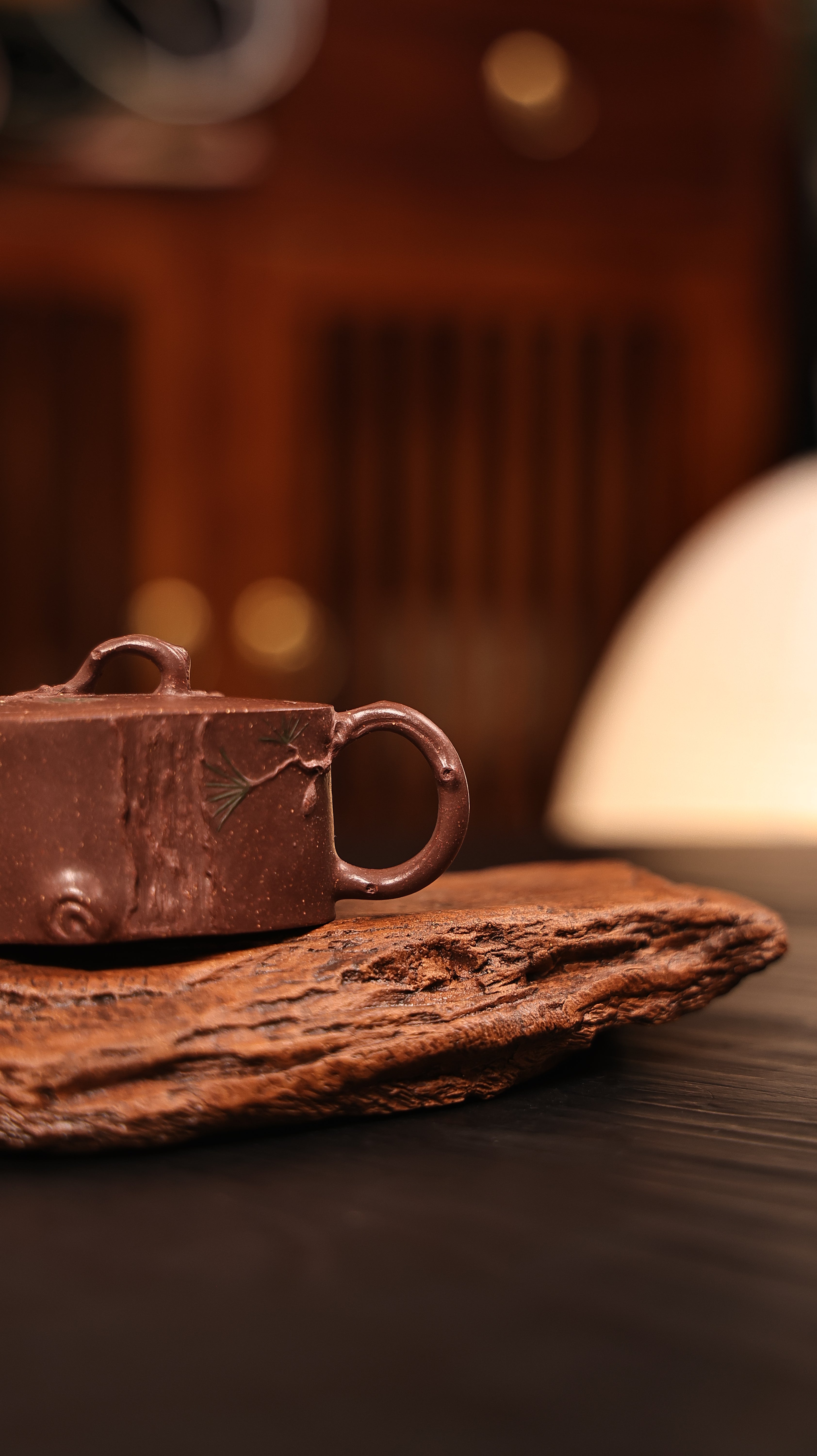
How can you tell if a Yixing Zisha Teapot has been crafted from genuine, unglazed purple clay?
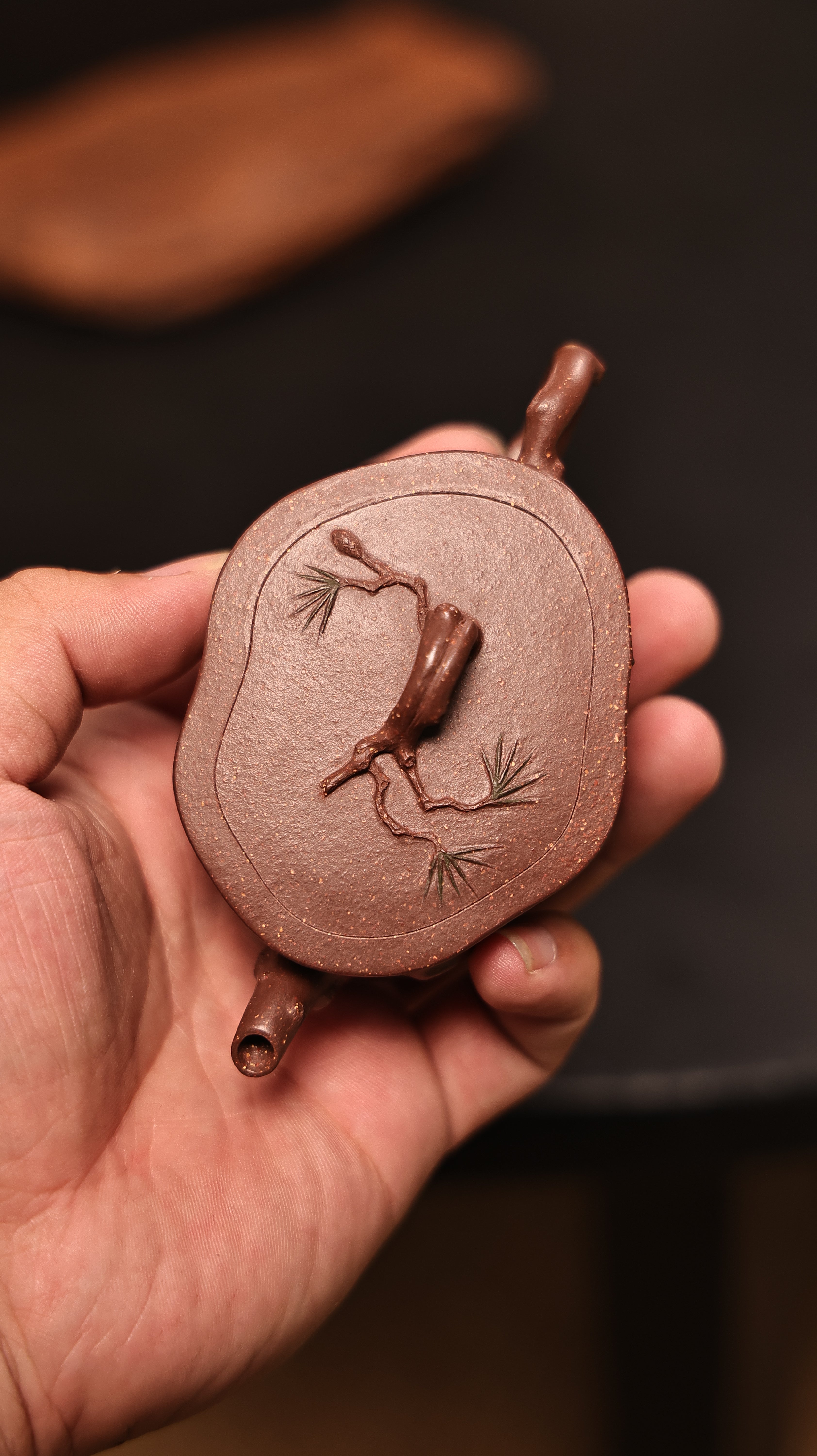
Enduring inheritance defines Zisha earthenware across decades,
Embodying distinctive qualities sourced inside indigenous aubergine earthen materials, these containers evolve a sheen across application, improving taste extracted from brewed extracts.
Exploring Yixing Soil: Thorough Insights into Zisha
Many enthusiasts admire the singular quality of Yixing amethyst clay, an essential element of ancient Chinese earthenware. Coming from the Yixing region of Jiangsu province, this exceptional clay demonstrates an delicate mineral configuration, such that imparts exceptional qualities to the realized items. Categories within Zisha, including Zhuni Mud, Duan Ni Mud, and Jiang Xi Mud, each has special complexions, patterns, and firing traits, determining the diffusibility and the terminal aroma evolution of the elixir.
Oriental Pottery Cultures: Understanding Skill
Chinese teapots embody surpassing mere receptacles for infusion; they illustrate centuries of ancestral sophistication. From the exemplary Yixing clay variations, respected for their breathable nature which imparts particular tastes to the drink, to the refined porcelain from Jingdezhen, each piece tells a legend of devotion. The development process is an careful endeavor, often gifted through lineages of professionals. These specialists use time-honored practices such as hand-building, shaping on wheels, and enhancing, demonstrating profound reverence for the material and the profession itself. Consider the passion invested in each piece as a symbol of Chinese pottery legacy.
- Jiangsu pots: a esteemed selection.
- Refined china teapots: known for their beautiful design.
- Sculpting techniques: a intricate yet fulfilling procedure.
Fine Purple Vessel Upkeep: Curing Your Precious Object
Suitable care of your esteemed Yixing Zisha teapot is essential to prolonging its beauty. Crafted from renowned purple sand soil, these exceptional teapots gain a warm patina after use, substantially boosting their allure. Stay away from washers; a soft rinse with moderate temperature hydrous matter is adequate. Avoid searing water for refreshing the teapot, as it may damage its surface. Allow it to desiccate away from unfiltered sunlight. Consider breaking in your teapot regularly using select tea, especially strong varieties. Here is a brief account:
- Wash with moderately heated aqueous solution.
- Withhold agents.
- Let it to dry fully.
- Mature with choice tea.
Background of Yixing Teapots: Initial Phases
The history of Yixing teapots emerges initially during the Jin dynasty, estimated the 16th century. Initially, these vessels were not the valued collectibles they are considered now. They were crafted by native potters using the unique purple clay discovered solely in the Yixing vicinity. These early creations were primarily utilitarian, designed for everyday use and often ordinary in composition. It was not until the posterior dynasty that they opened to earn honor beyond mere serviceable objects.
Opting For the Proper Purple Pot: A Starter's Explanation
Starting the field of Yixing teapots can be challenging, but avoid concern! For novices, the critical factor is understanding the dirt. Original Yixing clay is prized for its ventilation, allowing the teapot to absorb the tea's tone over time, increasing every making session. Evaluate the shape; traditional arched shapes prevail, yet particular preferences hold sway. Lastly, examine the texture—while some favor an unprocessed appearance, others prefer a gentle gloss. Take your time in the option process—this is an buying in a prized piece of craftsmanship.
Native Clay Urns and Their Impact on Chinese Potion Practice
Zisha vessels, existing from Yixing, China, have profoundly shaped historic Chinese infusion culture. These Yixing clay teapots, prized for their special complexion, pattern, and exceptional ability to impart a subtle accent to the concoction, function as more than mere ware; they are treasured crafts and symbols of renown. The very practice of preparing and serving infusion using a Zisha teapot is steeped in tradition, elevating the experience beyond simple refreshment. Sagas of artisans have refined their techniques, passed down through progenies, resulting in highly appreciated pieces. Therefore, Zisha teapots are frequently accumulated, playing a crucial part in cultivating local appreciation for aesthetics and the ceremony of drink ceremonies.
- Singular Clay Composition
- Providing Subtle Flavor
- Detailed Craftsmanship
Determining Verified Precious Local Pottery
Procuring a authentic Yixing teapot can be a satisfying experience, but the market is often infested with frauds. Differentiating between a real antique and a contemporary reproduction requires scrupulous inspection. Key signals include the Chinese Teapot clay's earthy shade, often displaying streaked surfaces, and the missing of modern curing imprints. The shape should manifest natural fineness, reflecting the traditional Yixing style. Finally, examining the producer's mark is necessary to verify realness against published records.
- Assess the clay's makeup.
- Look for flaws, indicative of artisan quality.
- Request an advisor for verification.
Considering Purple Kettles: A Detailed Reference to Earthenware Review
The market of 宜兴 Zisha containers delivers a noteworthy opportunity for astute enthusiasts. Steadily, the valuation of these well-made artifacts is steered by various elements, such as the caliber of earthenware, the mastery of the creator, the heritage relevance, and, naturally, the modern popularity. Initiates should invest time on comprehending the numerous types of Zisha clay—such as Binghu, 杜宁, and 紅泥—and learning about the features linked to each. Careful examination of the teapot's shape, color, and badge is concurrently paramount to make educated evaluations when investing.